infrastructure
SlurpNet Ops Backend
A WebSocket backend that supplies fleet snapshots, health information, and safe operational context to internal product surfaces.
No public links are recorded for this case study.
Challenge and constraints
Raw container and server state needed a stable, understandable contract for launchers and dashboards.
Constraints
- Runtime access remains read-only
- No control path is exposed
- Public evidence omits private services, hosts, logs, incidents, and runtime values
- Each consumer receives a safe purpose-specific subset
What I owned
Requirements, data-contract direction, public-state boundaries, integration review, validation, and operational documentation.
Ownership
- Define safe public state
- Set data-contract direction
- Review integrations
- Own validation and operational documentation
Decisions and implementation
The decisions define the boundary; the implementation records what was delivered inside it.
Decisions
- Use read-only runtime access
- Separate control actions from observation
Implementation
- Observe safe service health
- Normalize fleet state
- Expose consumer-specific context
- Preserve the observation and control boundary
Validation
Evidence is checked against the surface it is meant to demonstrate.
Checks
- Health endpoint checks
- Fleet snapshot validation
- Browser console review
Evidence-backed outcomes
Each delivered result is paired with the public proof basis that supports it.
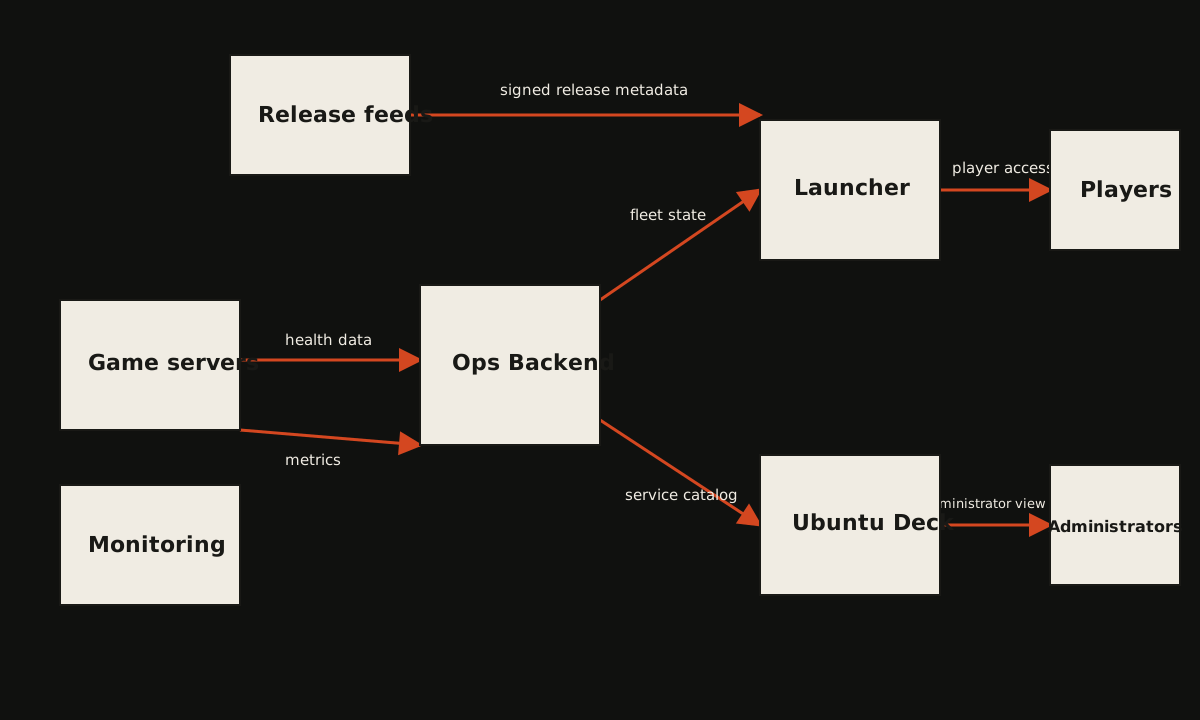
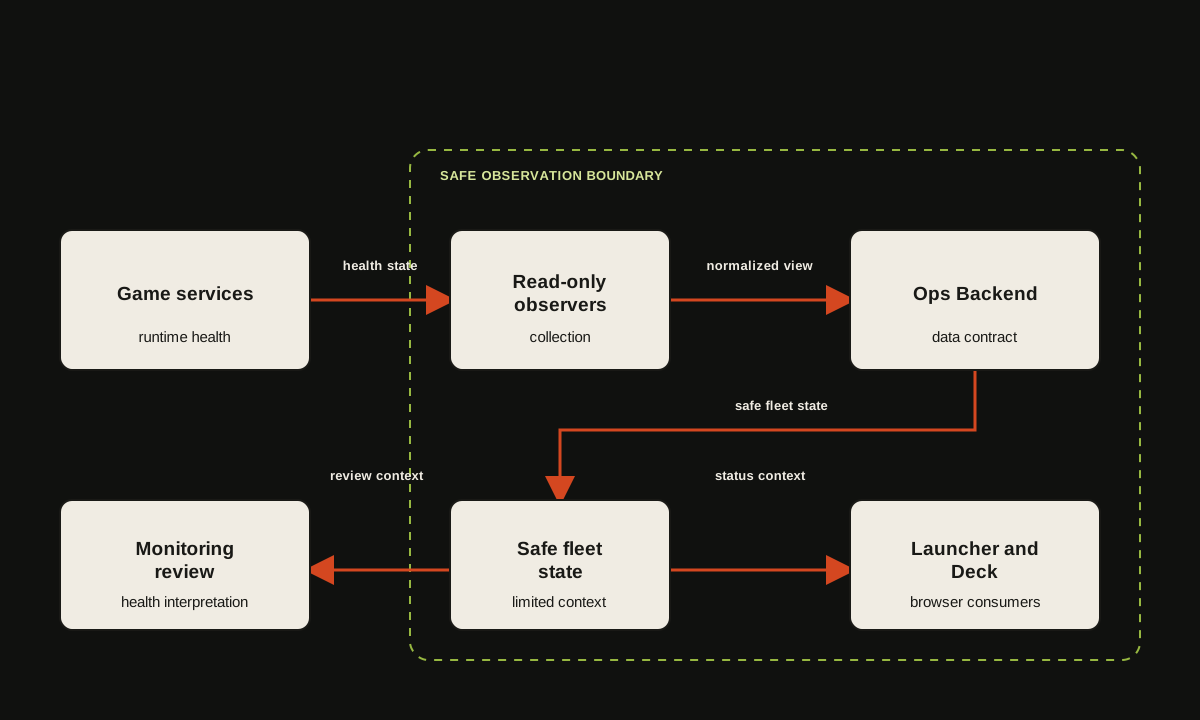
- Normalized read-only service state into a reusable consumer contractBasis: Explained by the architecture and normalization-flow diagrams and checked through fleet snapshot validation.
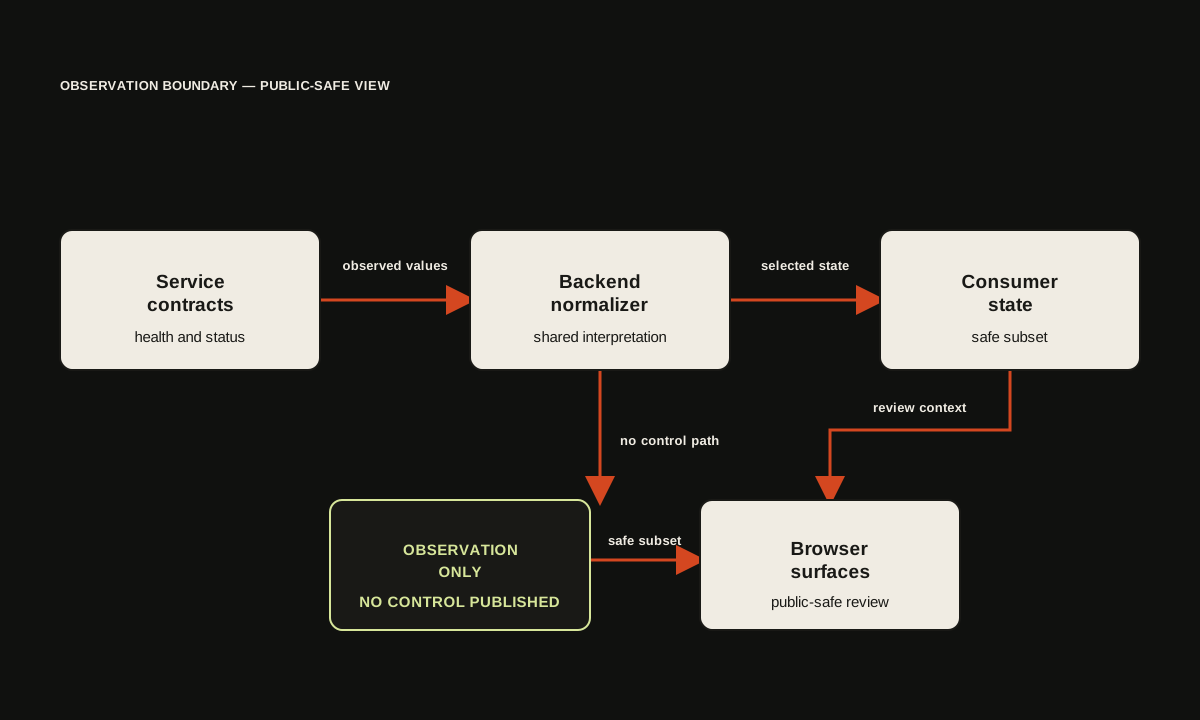
- Established an explicit boundary between operational visibility and controlBasis: Shown in the dependency-boundary diagram and enforced by read-only access.
- Supplied safe service context to Launcher, Deck, and monitoring viewsBasis: Documented in the system architecture and catalog relationships.
Evidence gallery
Each artifact is selected for what it explains and reviewed for public safety.